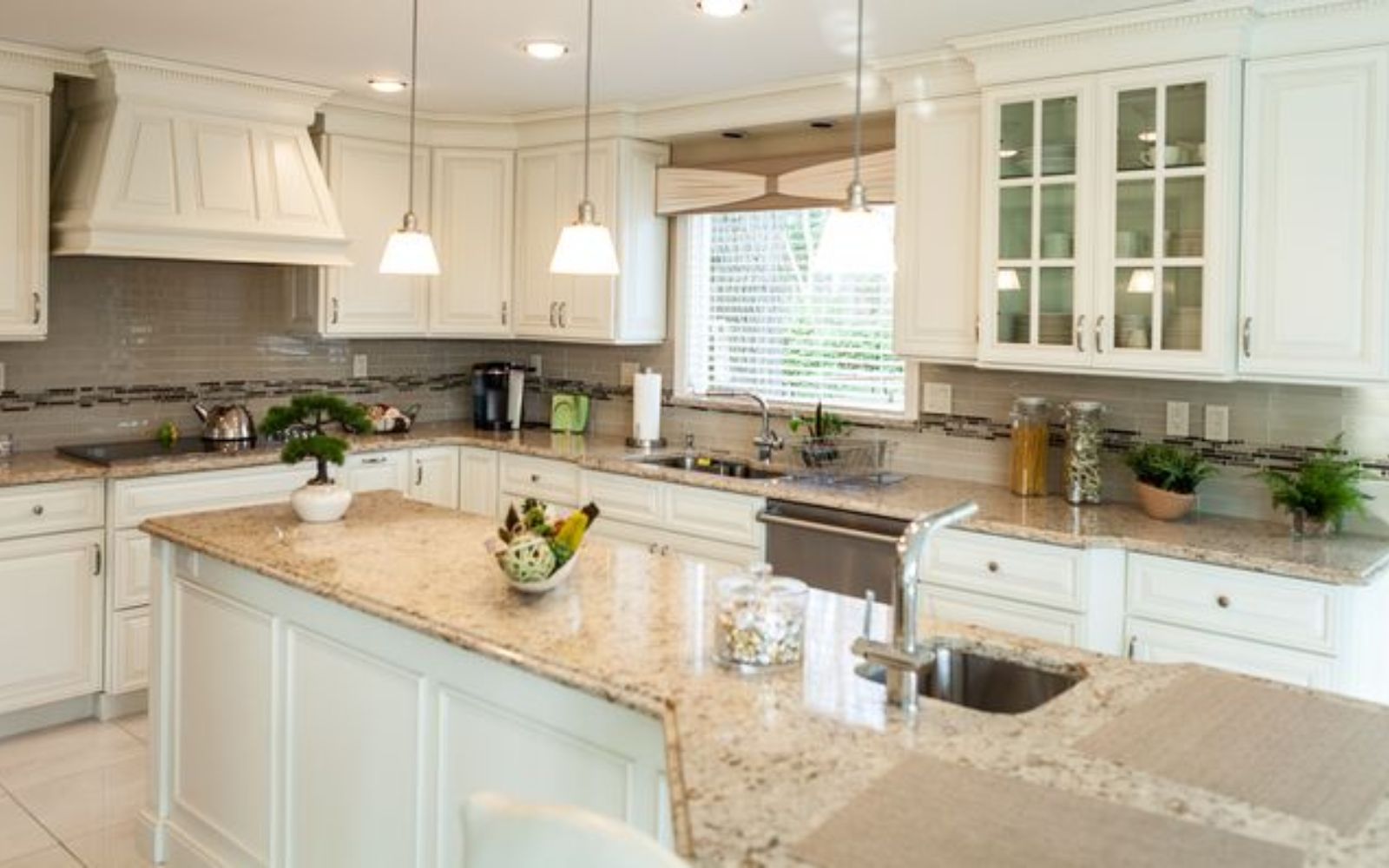
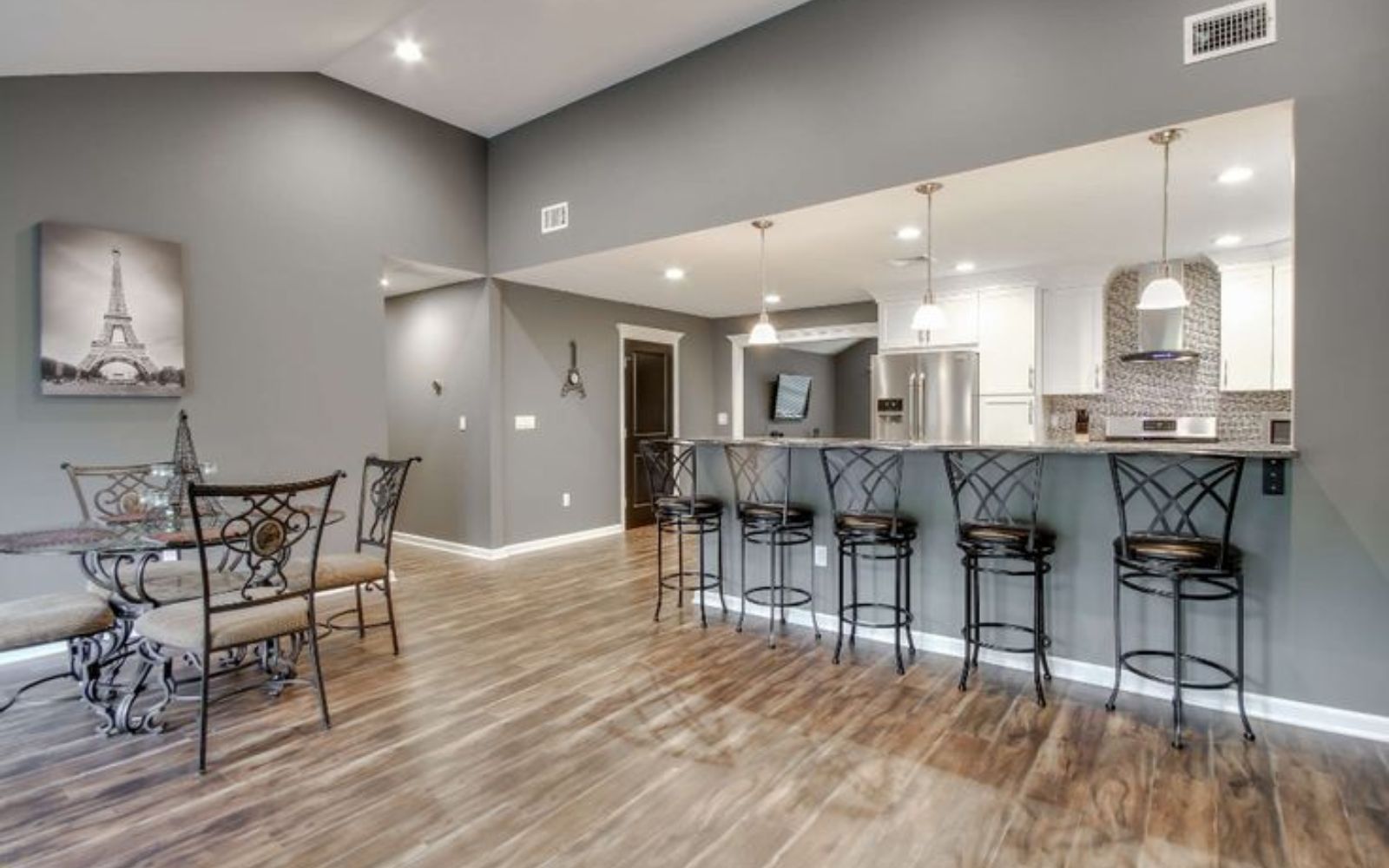
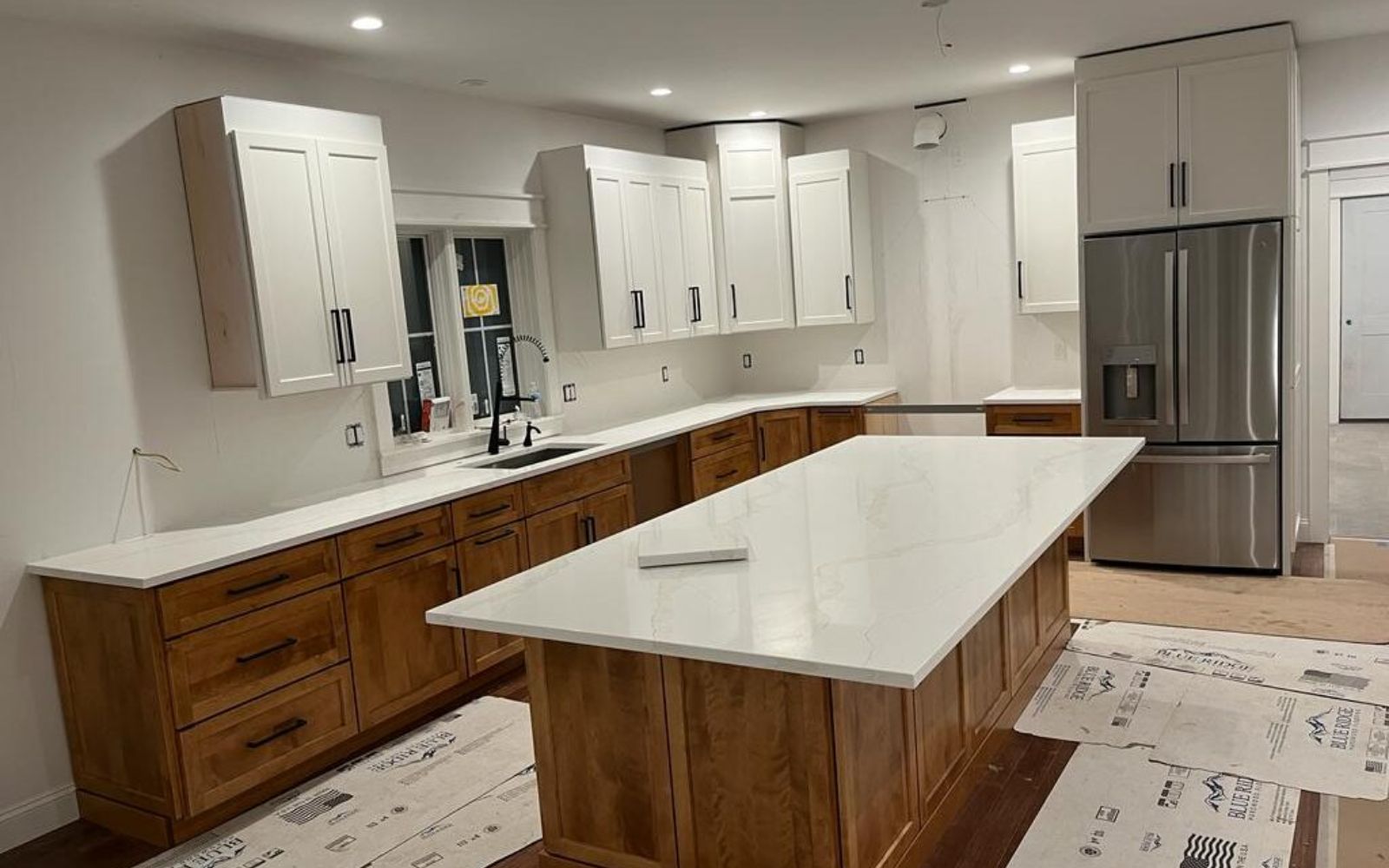
In today’s urban homes, the kitchen handles more activity while occupying less floor space. Squeezing appliances into a tiny New York studio or fitting cabinets inside a narrow Jersey row house means every inch counts twice. Yet tight quarters do not mean surrendering comfort. Modern approaches in 2026 ditch cold whites for softer neutrals blended with wood grains and matte finishes. These spaces whisper order through built in shelves, tucked away outlets, and mirrored backsplashes. Height draws eyes up; storage tucks behind flat fronts; surfaces bounce daylight around like echoes. A once dreary corner might now hold a pull out pantry or nothing at all; just air and light where clutter used to live.
1. Floor to Ceiling Cabinetry
Upward becomes the answer when floor area runs short. Today’s compact kitchens stretch units right to the ceiling instead of leaving dead air above. Reaching that extra height adds space for items like holiday trays or oversized pots; rarely grabbed, better stored out of reach. A tall unbroken row guides sight toward the sky line, tricking the mind into sensing taller walls. Slab style fronts without knobs prevent the towering setup from pressing down on the senses.
2. Integrated Stealth Appliances
A chunky metal fridge or jutting dishwasher might split up a tiny room, giving it a cramped vibe. Hidden looks rule kitchens by 2026; appliances vanish behind tailored fronts blending with surrounding cupboards. Instead of standing out, fridges tuck in neatly thanks to zero gap debettyskitchenandbaths.com/gallerysigns. These models swing wide open even when squeezed into sharp angles. Smooth lines run across surfaces without interruption, fooling eyes into perceiving extra depth and total visual cohesion.
3. The Hidden Induction Stove
Hidden under sturdy countertops, induction zones vanish when idle. A slab that holds your morning coffee can warm a skillet moments later. Not needing separate stovetops frees up room where every inch counts. Heat activates only where cookware sits, leaving surrounding areas cool. Flat surfaces stay clear until cooking begins, offering space for prep or sorting. What looks like marble might boil water without visible hardware showing, maximizing the utility of every flat surface.
4. Reflective and Mirrored Splashbacks
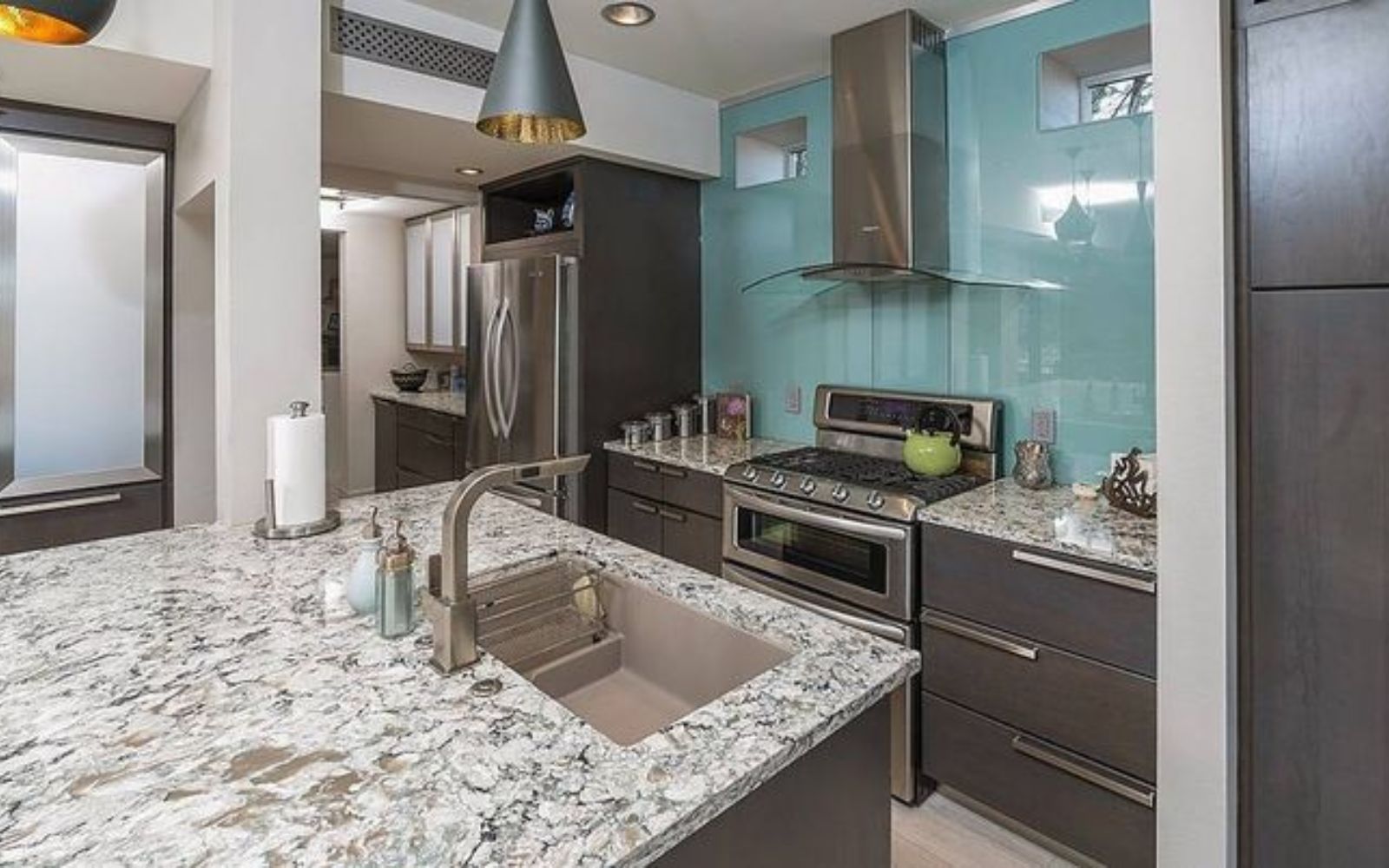
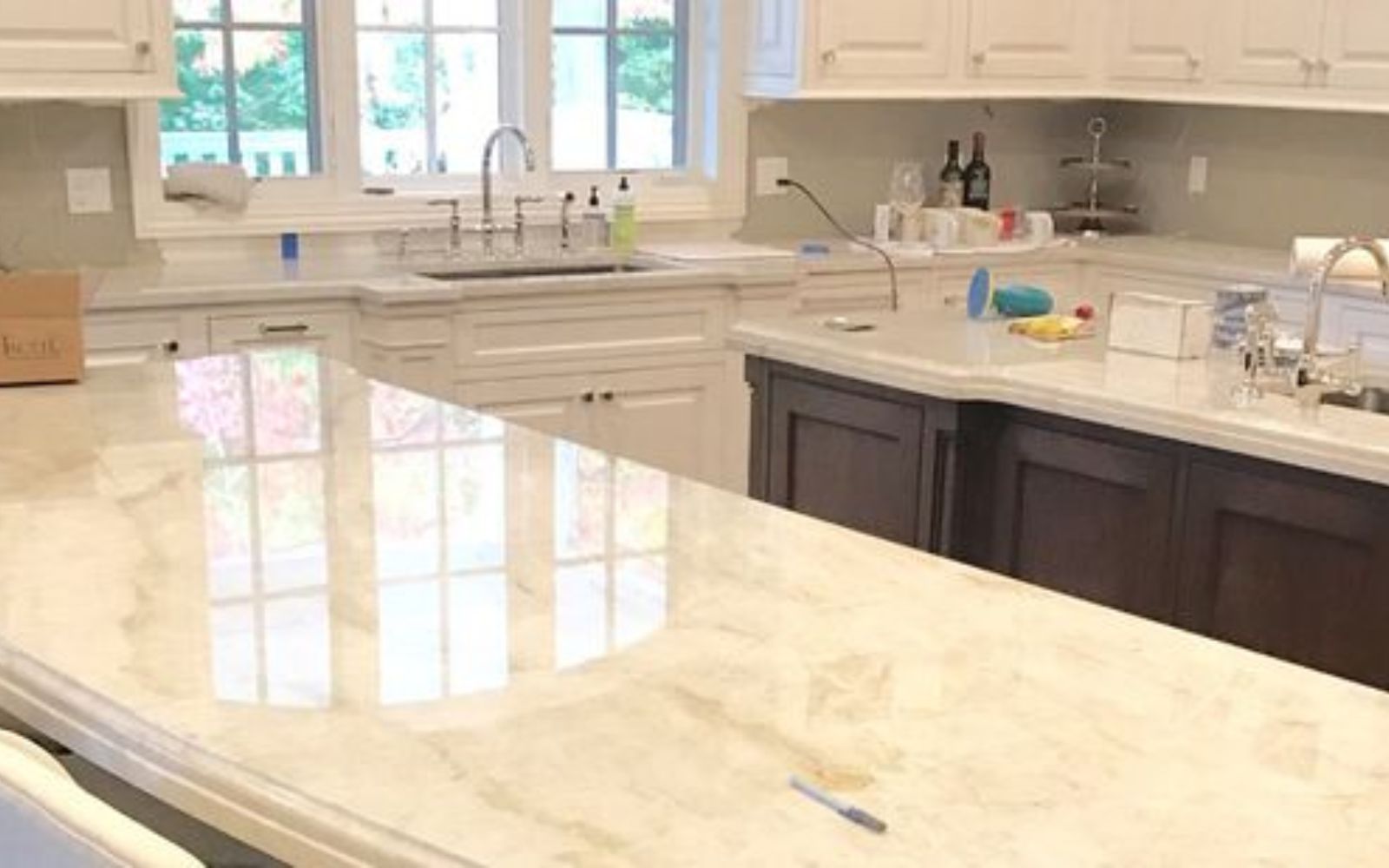
Every corner brightens when light fills it. Though windows stay put, reflections can spread what is there through mirrors or shiny backsplashes. Old style mirror glass, touched with bronze or grey, gives the eye extra distance. You see pieces of the room doubled, which keeps things from closing in. A solid slab of quartz behind the sink, matching the work surface exactly, draws a quiet line across the kitchen that settles the sight and expands the horizon.
5. Slim and Multi Functional Islands
Tiny versions called Galley Islands now fit snug into compact homes. Just twenty four inches across, they do more than just sit there. Drawers for pans fill one edge, whereas a counter juts out opposite for seating. By 2026, models rolling on smooth wheels show up everywhere; parked neatly by walls during quiet days, then pulled into open spaces when guests arrive. This adaptability ensures the kitchen layout evolves to meet the specific needs of the moment.
6. Smart Corner Solutions
Out in the edges, space often sits wasted. Today’s compact cooking zones fix that using clever inside parts like rotating shelves or sliding L shaped units. When pulled open, they roll forward fully, so even items tucked deep become simple to grab. Filling up every bit of those awkward spots means less need to spread things across the counter. That bare surface look stays intact without effort, ensuring a clutter free environment that feels naturally spacious.
7. Strategic Open Shelving
Closed cabinets keep clutter out of sight, yet too many make a kitchen resemble a dim passage. Swap some overhead units for wide wooden ledges that seem to hover midair; this adds space to the eye. In 2026, thoughtful selection matters most. Rather than piling on random cups, choose a handful of refined dishes. These pieces interrupt dense cabinet lines, letting light reach shadowed edges and creating an airy, curated atmosphere that feels light rather than heavy.
8. Layered Task and Ambient Lighting
A lone ceiling bulb tends to throw dark patches, shrinking the room. Today’s layouts use tiered light setups to separate areas quietly. Soft LED lines hidden beneath lower cupboards give them a lifted effect. Task zones get steady brightness from lights mounted below upper shelves, cutting glare. Above the sink, one bold hanging fixture brings charm but does not crowd the area. Balanced illumination eliminates shadows that normally make small rooms feel claustrophobic and uninviting.
9. Monochrome with Warm Tones
Warmth creeps into kitchens once ruled by stark white. Mushroom, taupe, or soft off whites now set the tone. Cabinets, walls, and counters sharing one hue group let the gaze drift smoothly. Without sharp contrasts pulling attention, rooms seem to stretch beyond their limits. Surfaces shaped with fluted details bring depth quietly while the color stays calm. This seamless transition between elements creates a tranquil environment that feels significantly larger than its physical dimensions suggest.
10. Pull Out Workstations and Pocket Doors
Tiny homes demand clever tricks so kitchens vanish after cooking. Hidden behind pocket doors, coffee setups or mini pantries tuck into wall cavities, leaving rooms open. Surfaces meant for prep fold outward from cabinetry, acting as workspaces during meals. Once done, they retreat just like drawers do. Engineering shapes these transformations quietly, allowing the home to shift from a functional workspace to a relaxing sanctuary in seconds without any visible clutter remaining.
Making the Most of Your Layout
Picture the path from sink to stove to fridge. A compact space makes that route short, saving steps. Materials matter more up close, so pick finishes that age quietly. Effort shifts from chasing size to valuing what lasts. Stacked cabinets rise high, while tucked away gadgets stay out of sight. A soft mix of earthy tones wraps everything together, making the room feel whole. This kitchen does not simply fill a corner; it lifts the entire house.
Thoughtful details shape the atmosphere, showing care in every inch. Hidden hobs vanish when unused, reflecting light through sleek panels. Space opens up, air moves easier, shadows fade. What matters here is not size, but choices made along the way. Light bounces where mirrors catch it, amplifying windows. Design works quietly, without shouting its presence. Every decision should serve the dual purpose of function and beauty, ensuring the home feels like a carefully designed haven.